"EVIL IS EVIL. LESSER, GREATER, MIDDLING... MAKES NO DIFFERENCE."
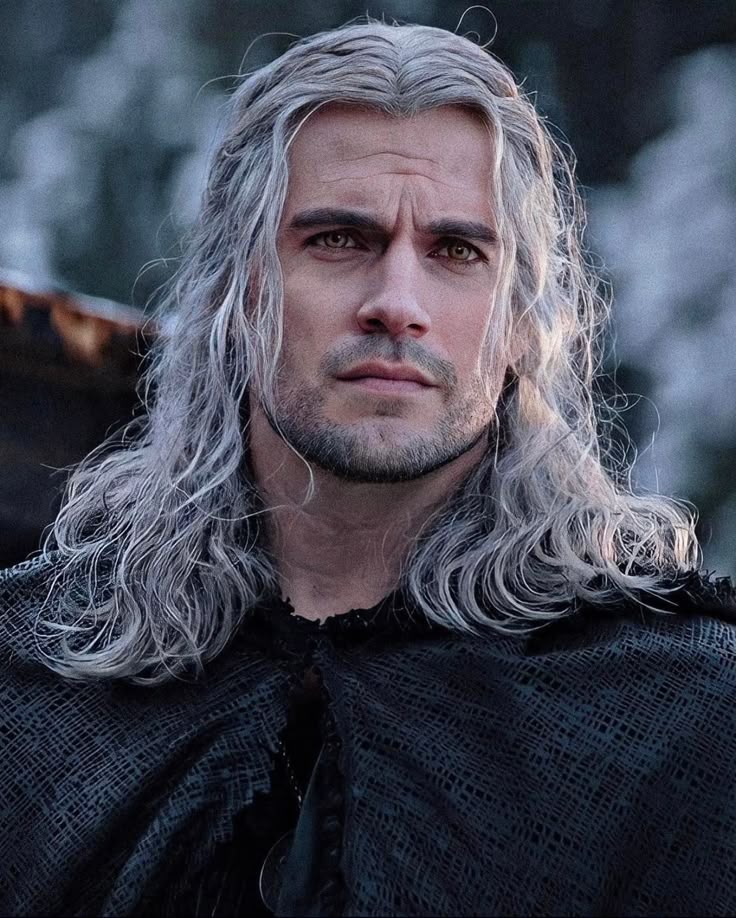
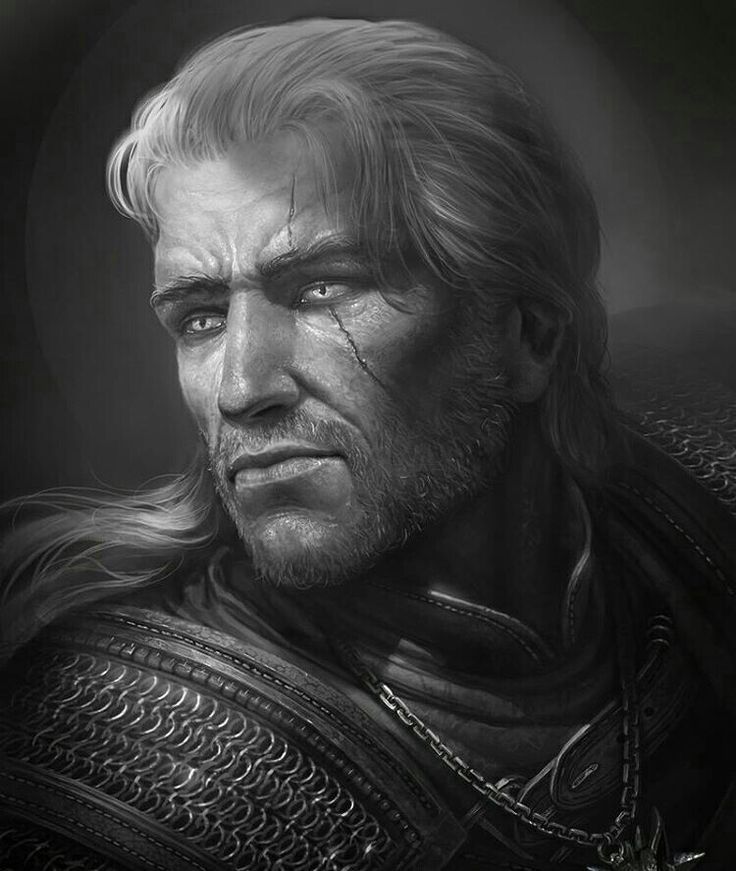
Geralt of Rivia is a Witcher, a mutated monster hunter for hire. Enhanced by the Trial of the Grasses, he possesses superhuman reflexes, strength, and senses. In Assassins of Kings, Geralt is falsely accused of regicide and must embark on a journey across the Northern Kingdoms to find the true killer, Letho of Gulet, and clear his name while recovering his lost memories.
Geralt was taken to the witcher keep of Kaer Morhen as a child. He survived the Trial of the Grasses, a painful alchemical process that kills most subjects. It stripped him of pigmentation—giving him his white hair—but granted him cat-like eyes and immense resilience.
Trained by his mentor Vesemir, Geralt mastered the art of swordplay and monster lore.
Simple combat magic used by Witchers:
The central conflict of The Witcher 2. King Foltest of Temeria is assassinated by a mysterious huge man (Letho), and Geralt takes the blame.
Geralt must choose his path:
Geralt's life is intertwined with powerful sorceresses.
Triss Merigold: A loyal friend and lover who aids Geralt in regaining his memory and navigating the political chaos.
Yennefer of Vengerberg: His lost love, whom he begins to remember in flashbacks as his amnesia fades.
Witchers claim to not take sides in politics, but Geralt often finds this impossible. His moral compass forces him to intervene when he sees injustice, dragging him into the wars of kings and emperors.
Before battle, Geralt drinks toxic potions to enhance his abilities. To a normal human, they are lethal poison. To a Witcher, they provide night vision, increased regeneration, and heightened reflexes.
The primary antagonist—another Witcher from the School of the Viper.
Unlike simple monsters, Letho is Geralt's equal. He kills kings not for money, but for a secret deal with the Emperor of Nilfgaard to sow chaos in the North.
Geralt's journey is a grim one. He is an outcast protecting a world that fears and hates him. In The Witcher 2, he proves that even in a world of grey morality, choices—and their consequences—matter.