"DO YOU FEEL LIKE A HERO YET?"
Captain Martin Walker is a Delta Force operator sent into a sandstorm-ravaged Dubai on a reconnaissance mission. What begins as a simple search for survivors becomes a descent into madness, war crimes, and the darkest corners of the human psyche. Walker isn't the hero he believes himself to be—and neither is the player.
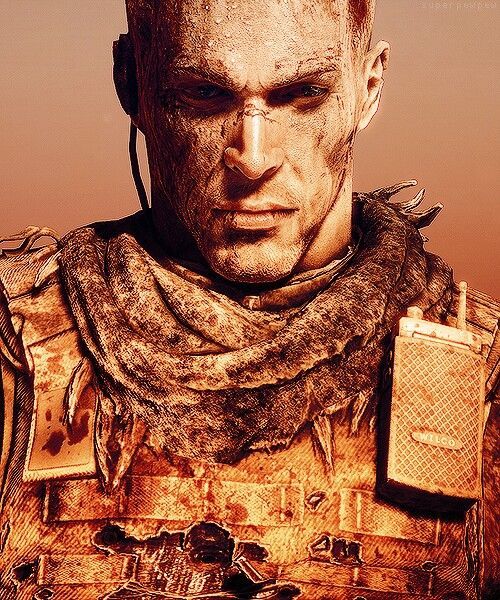
Six months ago, the worst sandstorms in recorded history buried Dubai. Colonel John Konrad and the 33rd Infantry Battalion stayed behind to help evacuate civilians.
Then all contact was lost.
A distress call breaks through: "This is Colonel John Konrad, United States Army. Attempted evacuation of Dubai ended in complete failure. Death toll... too many."
Walker and his team are sent to investigate.
The Team:
Three soldiers. One city. No extraction.
Konrad's battalion didn't leave. They declared martial law. They're executing civilians. They've gone rogue—or so Walker believes.
The mission changes: stop Konrad at any cost.
Agents Riggs and Gould are running a covert operation. They want to bury Dubai—literally. Destroy the water supply. Let everyone die.
Walker refuses. He'll save these people himself.
Thousands of civilians trapped in the ruins. The 33rd controls the water. The insurgents fight back. Everyone is dying.
Walker will be their hero. Walker will save them all.
The 33rd has set up a blockade. Too many soldiers. No way through. Lugo finds a mortar loaded with white phosphorus—a chemical weapon that burns through flesh.
"There's always a choice." "No. There's really not."
Walker fires. The soldiers burn. Then he walks through the aftermath and finds the civilians they were protecting. Forty-seven refugees. Mothers holding children. All burned alive.
Walker did this. You did this.
They change as the game progresses:
A soldier who stole water. A civilian who killed the soldier's family in revenge. Both hang from nooses. Snipers watch. Choose who dies—or try to save both and watch them shoot everyone.
The mob catches Lugo. They hang him for the white phosphorus. Walker arrives too late. The crowd surrounds him. He can open fire—massacre civilians—or fire into the air and walk away.
Adams is mortally wounded. He could be saved, but Walker pushes forward to reach Konrad. Adams bleeds out alone, betrayed by his commanding officer's obsession.
Walker destroys Dubai's water supply. Thousands will die of thirst. He tells himself it was necessary. He tells himself Konrad made him do it.
Walker finally reaches the penthouse. Konrad sits in a chair, painting. He's been dead for weeks—shot himself when the evacuation failed.
The voice on the radio. The orders. The mission. Walker imagined it all.
"It takes a strong man to deny what's right in front of him. And if the truth is undeniable, you create your own."
Walker couldn't accept what he'd done. So he invented a villain to blame.
Every atrocity was Walker's choice. The white phosphorus. The destroyed water. The dead soldiers who were just following orders. The civilians caught in crossfire.
There was no Konrad. There was only Walker.
Walker turns the gun on himself. Konrad says: "You did it. You saved them." The lie Walker told himself, one final time.
Walker kills the hallucination of Konrad. He sits on the balcony, surrounded by corpses, waiting to die. The Army finds him. He can go home—or he can fight one last time and die in Dubai.
"None of this would have happened if you just stopped." The game's final judgment. Walker—and the player—could have walked away at any time. But they didn't. They had to be the hero.
"The truth, Walker, is that you're here because you wanted to feel like something you're not: a hero." — Colonel John Konrad