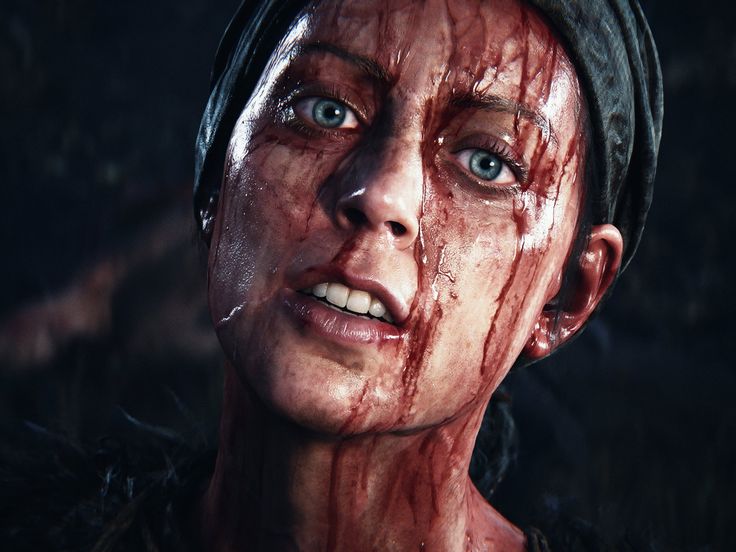
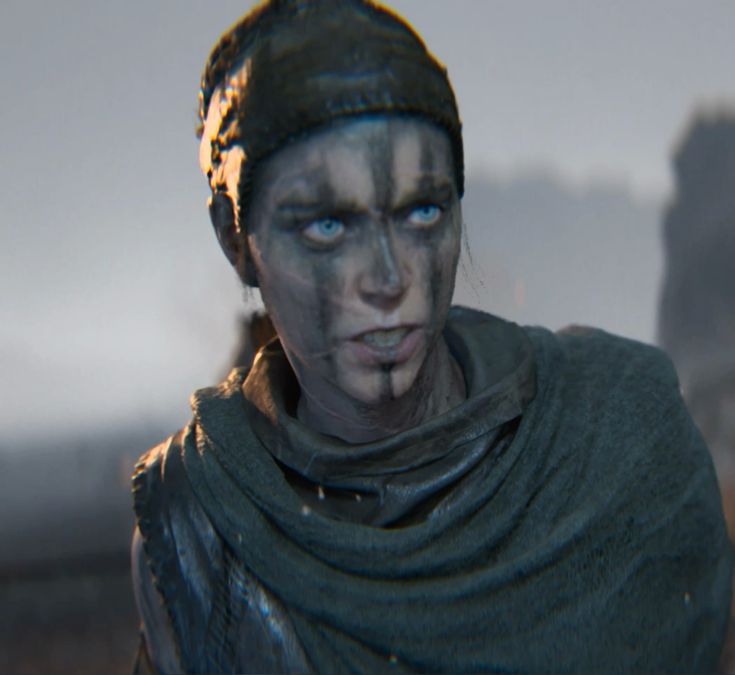
Main Character

Hellblade: Senua's Sacrifice

Senua

"THE HARDEST BATTLES ARE FOUGHT IN THE MIND."

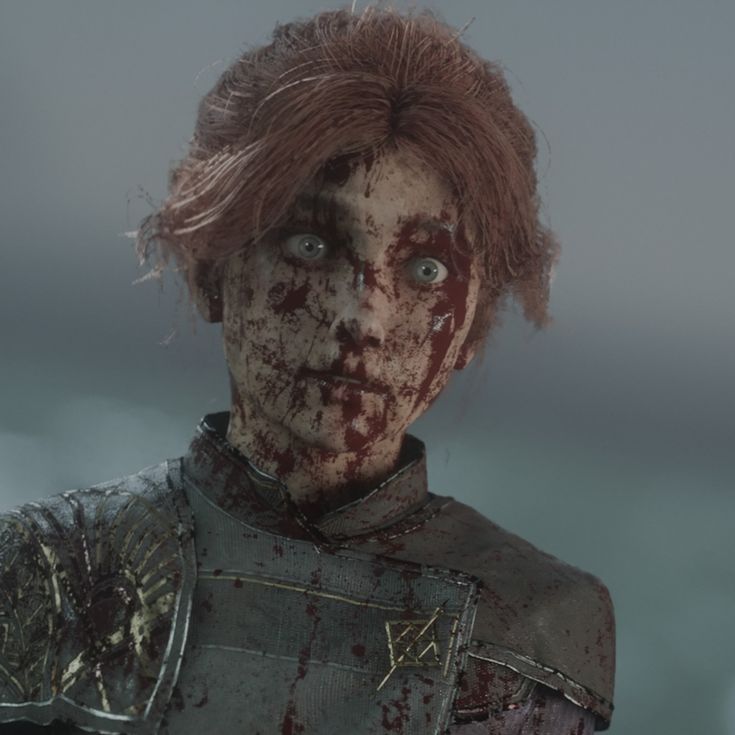
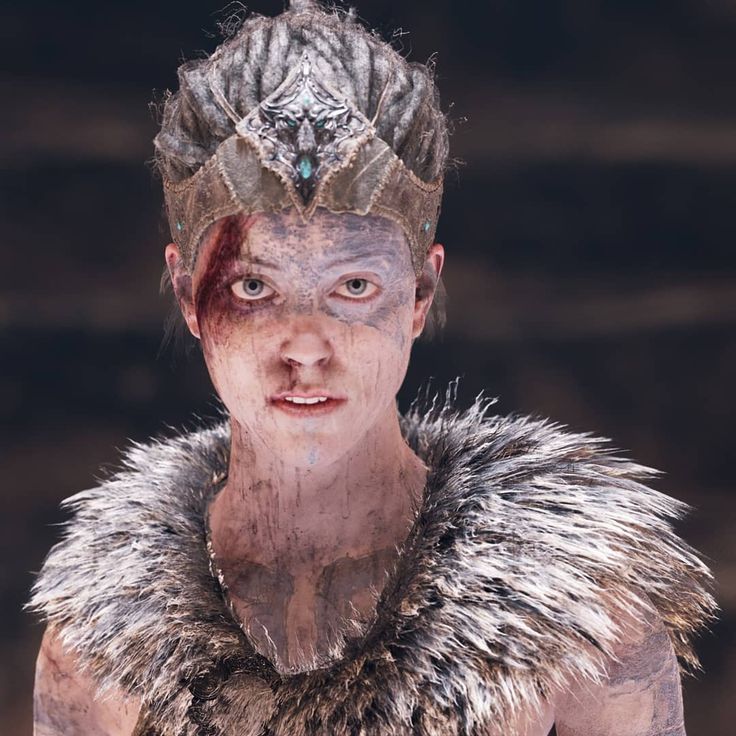
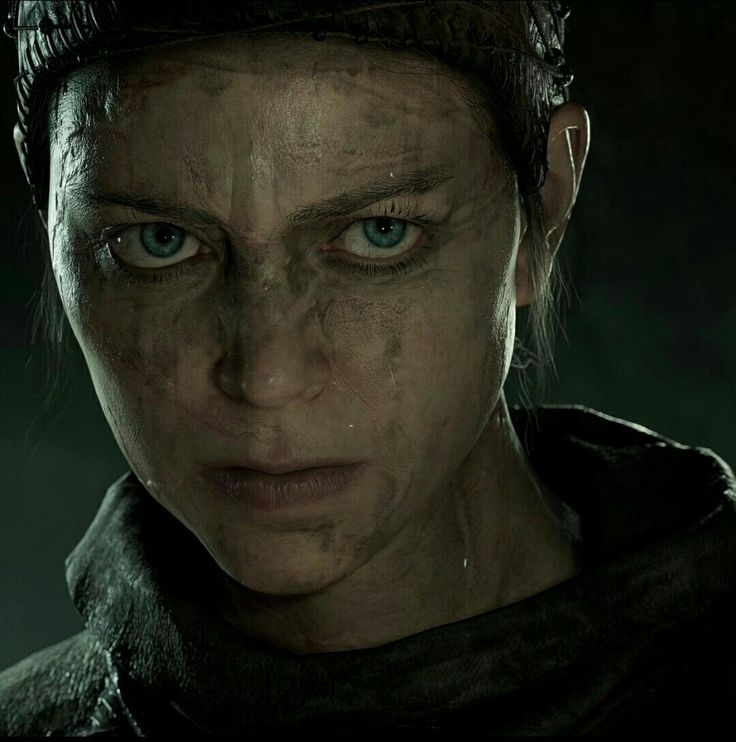
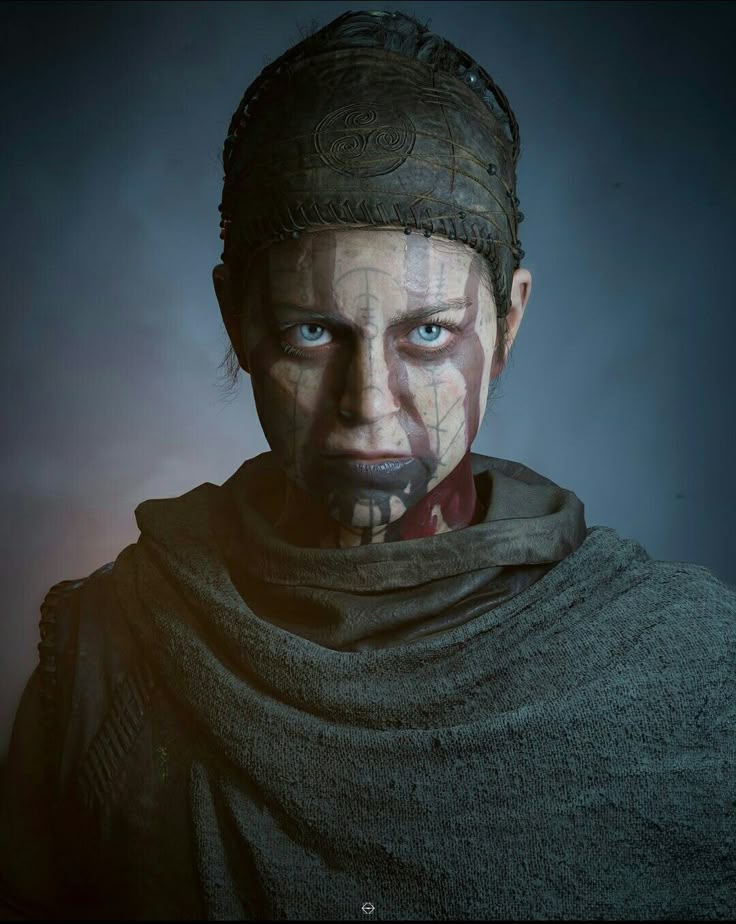
Senua is a Celtic warrior from the Orkney Islands, suffering from severe psychosis. After her village is destroyed and her lover Dillion is killed by Northmen, she embarks on a harrowing journey into Helheim to rescue his soul from the goddess Hela. Her quest blurs the line between reality and delusion, where the voices in her head—the Furies—are both her tormentors and guides.
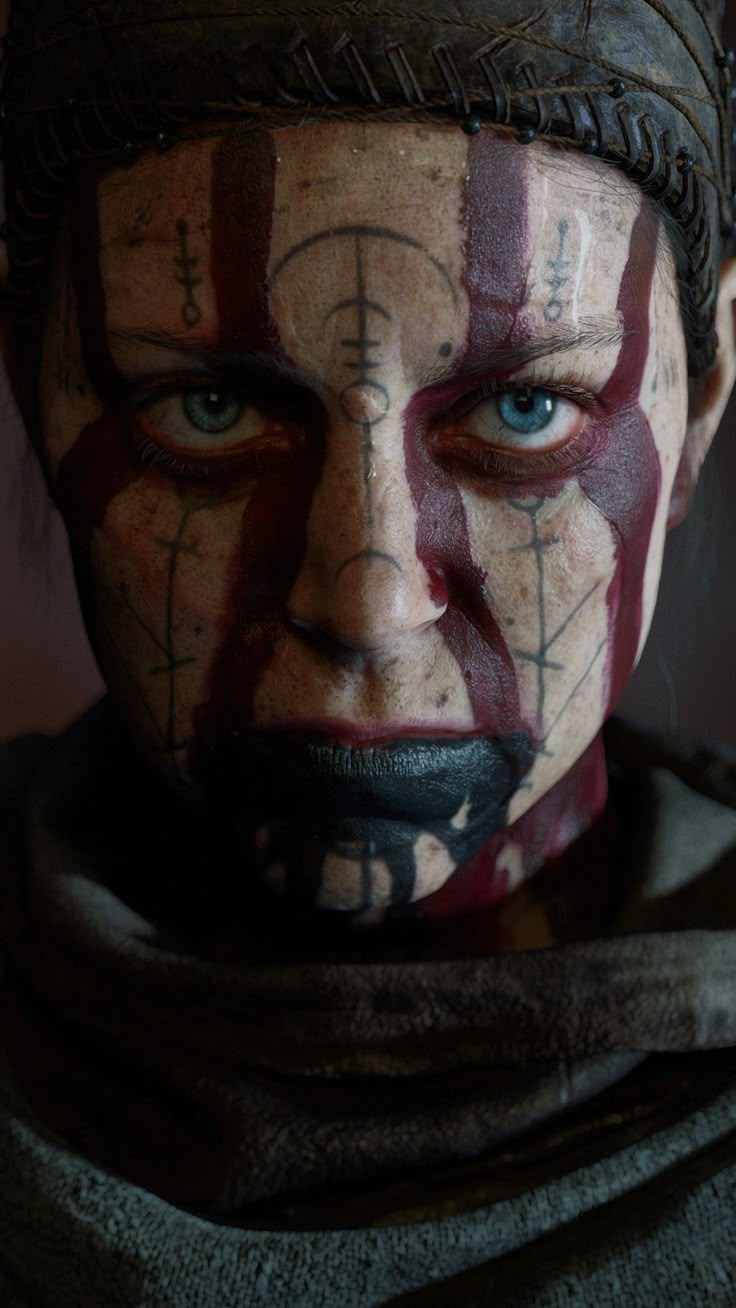
Senua - Hellblade

The Broken Beginning

The Furies

Voices that never stop. They whisper, scream, warn, and mock. Senua's constant companions— manifestations of her psychosis that the player hears through binaural audio.

They are not enemies. They are part of her.

Dillion

Senua's lover, the only person who saw past her "darkness." He taught her that her visions were not a curse, but a different way of seeing the world.

His death at the hands of Northmen broke her completely.

The Blood Eagle

Dillion was sacrificed through the Blood Eagle ritual—a horrific Viking execution. Senua carries his severed head, believing she can bring him back if she reaches Hela.

The Darkness Within

The Rot

A darkness spreading up Senua's arm. If it reaches her head, she believes she will die—and all progress will be lost forever.

The game's greatest deception: the rot cannot actually end the game.

Zynbel's Curse

Senua's father, a Druid priest, believed her psychosis was a curse from the gods. He isolated her, abused her, and called her "Geallt"—the one touched by darkness.

Mother's Fate

Senua's mother Galena shared her condition. Zynbel burned her alive as a sacrifice to cure their daughter. Senua witnessed it. She was five years old.

The Road to Helheim

Valravn

God of Illusion:

  • Master of perception and reality
  • His realm shifts and changes
  • Defeated by seeing through lies

Surtr

God of Fire:

  • The burning giant of Muspelheim
  • His realm is consumed by flame
  • Defeated by facing the fire within

The Trials

Each boss represents a piece of Senua's trauma. Defeating them is not combat—it is confrontation with the darkest parts of herself.

Hearing Voices

1. The Warning Voice

"Behind you!" — Alerts Senua to danger she cannot see, proving the voices can help.

2. The Doubting Voice

"You'll never make it. Give up." — The voice of despair that mirrors depression.

3. The Cruel Voice

"You deserve this pain." — Self-hatred made audible, echoing abuse she suffered.

4. The Encouraging Voice

"Keep going. You're close." — Hope persists even in the darkest places.

The Truth

Hela

The goddess of death. Queen of Helheim. She holds Dillion's soul—or so Senua believes. In truth, Hela is another manifestation of Senua's darkness.

The Final Battle

An endless horde of enemies. Senua fights until she cannot fight anymore. She must lose to understand the truth: some battles cannot be won through violence.

Letting Go

Dillion is dead. He cannot return. The only way forward is acceptance. Senua releases his head into the void—not giving up, but moving forward with her grief.

Resolution

The Sacrifice

The title's meaning becomes clear: the sacrifice was never Dillion's soul. It was Senua sacrificing her denial, her guilt, her belief that love could conquer death.

She walks away from Helheim—still hearing voices, still suffering—but finally at peace with who she is.

Living with Darkness

Hellblade does not cure Senua. Mental illness is not defeated like a video game boss. Instead, she learns to live alongside it. The voices remain. The visions continue.

But she is no longer ashamed. The darkness is part of her story, not the end of it.

"The greatest battles are not fought with swords, but with the will to keep going." — Senua